
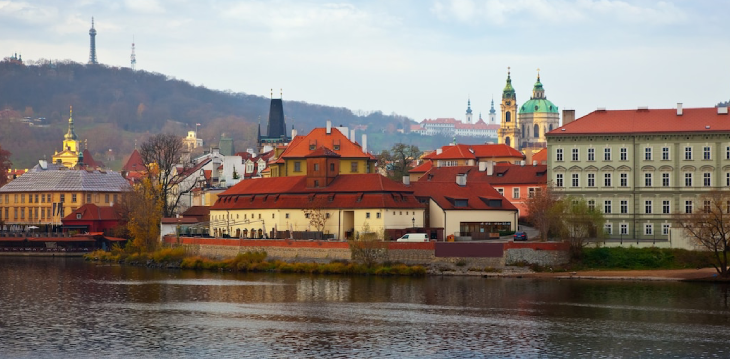
Poland is a large, dynamic Central European country in the EU and Schengen Area, known for its rich history, vibrant cities, rapid economic growth (especially in IT, engineering, business, and manufacturing), and affordable high-quality education. It offers over 800 English-taught programs with EU-recognized degrees that emphasize practical skills and industry links. For Indian students, Poland is one of the most budget-friendly EU destinations with low tuition at public universities, high visa approval rates, part-time work opportunities, and a 9-month post-study job search period. The country is safe, student-friendly, and provides excellent value with Schengen mobility and growing career prospects.
| Capital: | Warsaw |
| Language: | Polish |
| Currency: | Polish Zloty (PLN); 1 EUR ≈ 4.3–4.5 PLN |
| Popular Cities: | Warsaw, Krakow, Wroclaw, Poznan, Gdansk, lodz |
| Population: | Approximately 37–38 million |
| Indian Population: | Around 30,000–35,000+ people of Indian origin |
Student Visa
Tourist Visa
Business Visa
Dependent Visa
Poland is highly attractive for Indian students seeking affordable EU-standard education with strong employability. Key advantages include:
Persons interested in studying in Poland are welcome to contact respective Polish higher educational institutions in order to obtain detailed information on the conditions of admission and the courses and programmes which they offer to foreign students. All international students may apply for scholarships within bilateral agreements on direct cooperation offered through Bureau for Academic Recognition and International Exchange.
Tuition fees for non-EU students in English-taught programs at public universities typically range from €1,500 to €6,000 per year (average €2,000–€5,000).
Private universities can charge more (€6,000–€12,000+). Scholarships (NAWA, Stefan Banach, university-specific) can significantly reduce or cover costs.
Breakdown (approximate):
For the National Type D student visa and temporary residence permit, you need to prove sufficient financial means — approximately €6,400–€8,000+ for one year (covering living expenses at ~€500–€670 per month), plus tuition fees for the first year/semester.
Proof via bank statements (personal or sponsor), scholarship letter, or education loan. Health insurance (minimum €30,000 coverage) is also required. Exact requirements are assessed during the visa process.
International students can work up to 20 hours per week during the academic term (full-time during official holidays).
After graduation, your student residence permit is usually extended for up to 9 months (or sometimes 180 days + extension) to search for a job or start a business. You can work full-time during this period. Once employed, you can apply for a work-based temporary residence permit.
Permanent residency (long-term EU resident permit) generally requires 5 years of continuous legal residence. Study time usually counts only partially. Subsequent work periods help accumulate the full qualifying time.
After PR, citizenship pathways are available with further requirements. Rules can change — always check official sources like gov.pl or the Office for Foreigners.
Where do you want to study?