
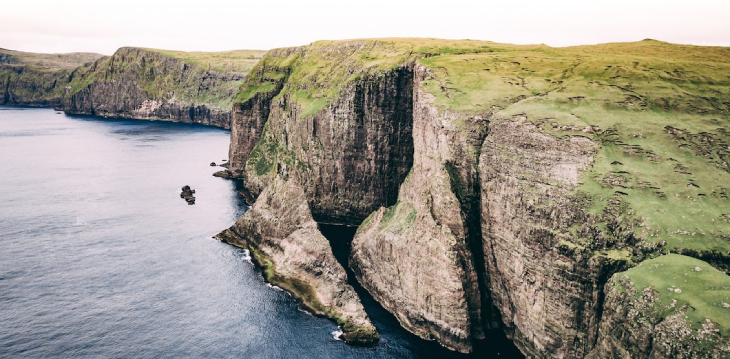
Ireland is a vibrant English-speaking country in Western Europe, known as the "Land of Saints and Scholars." It offers world-class higher education, a strong tech and pharma industry (home to many global companies like Google, Apple, and Pfizer), and a welcoming, multicultural environment. For Indian students, Ireland provides high-quality, industry-focused programs (especially in IT, business, engineering, and sciences), generous post-study work options, and a safe, friendly society with rich culture and natural beauty. Degrees are globally recognized, with excellent employability and pathways to EU opportunities. It is becoming increasingly popular among Indian students due to stable visa policies and strong career prospects.
| Capital: | Dublin (major tech and business hub with vibrant student life) |
| Language: | English (primary) |
| Currency: | Euro (€) |
| Popular Cities: | Dublin, Cork, Galway, Limerick, Maynooth |
| Population: | Approximately 5.3–5.6 million |
| Indian Population: | Around 30,000+ people of indian origin |
Student Visa
Tourist Visa
Business Visa
Dependent Visa
Ireland stands out for its English-taught programs, innovative and research-oriented education, strong industry links (particularly in technology, pharmaceuticals, and finance), and high graduate employability. Key advantages for Indian students include:
Ireland ranks highly for student satisfaction and innovation
Tuition fees vary by course and institution. Scholarships are available for the brightest students. The Irish government offers post graduate scholarships for international students, including to Indian students, across various disciplines – including at the Research Masters and Post Doctorate level. Scholarships are also available specifically for Indian students, at several Irish universities such as Trinity College Dublin, University of Limerick, NUI Maynooth, UCC, and NUI Galway.
Tuition fees for non-EU students (including Indians) in English-taught programs typically range from €10,000 to €35,000 per year
Breakdown (approximate):
For the student visa/permission, you must demonstrate sufficient funds:
Proof via bank statements (last 6 months with stable history), sanctioned education loans, or scholarships. Requirements are assessed by Irish Immigration; always verify on irishimmigration.ie or the Irish embassy/consulate.
Students permission can work up to 20 hours per week during term time and 40 hours per week during official holidays.
Under the Third Level Graduate Programme, graduates can stay and work full-time:
This allows full-time work while job hunting or gaining experience. You can then transition to an employment permit (e.g., Critical Skills) if you secure a relevant job.
Long-term residency, often called PR-like permission generally requires 5 years of continuous legal residence, typically on qualifying work permits
Where do you want to study?