
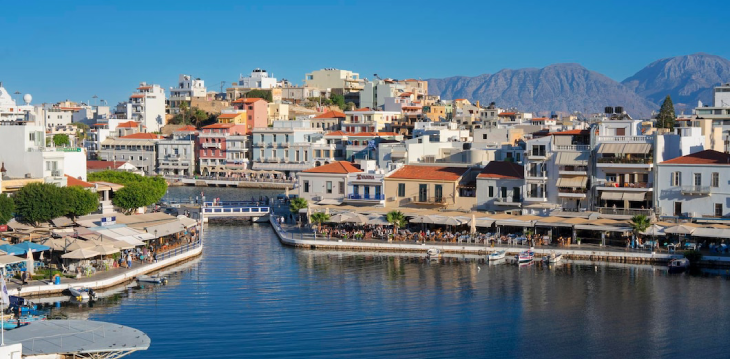
Malta is a sunny Mediterranean island nation in Southern Europe, part of the EU and Schengen Area. It is known for its English-speaking environment, rich history, beautiful beaches, and vibrant culture. Malta offers quality higher education with a strong focus on business, IT, hospitality & tourism, marine studies, health sciences, and engineering. For Indian students, Malta provides an affordable English-medium education system, high visa approval rates, part-time work opportunities, and a relaxed yet modern lifestyle with easy access to other European countries. Degrees are EU-recognized, and the country has a growing international student community.
| Capital: | Valletta |
| Language: | Maltese and English |
| Currency: | Euro (€) |
| Popular Cities: | Valletta, Msida, Sliema, St. Julian’s, Birkirkara |
| Population: | Approximately 540,000–550,000 |
| Indian Population: | Around 18,000 – 18,250 people of indian origin |
Student Visa
Tourist Visa
Business Visa
Dependent Visa
Malta is an attractive option for Indian students due to its English-taught programs, affordable fees compared to the UK/Ireland, Mediterranean lifestyle, and EU advantages. Key benefits include:
The higher education system of Malta is open to international students, and currently full-time foreign students from some 75 countries are studying in the country. In addition, many foreign students participate in semester exchanges. At present no state scholarships are available, although Indian students may be eligible to apply for private or international scholarships, including via Erasmus+. A good source of information on the higher education system in Malta is the University of Malta International and EU office.
Tuition fees for non-EU students typically range from €3,000 to €15,000 per year
Breakdown (approximate):
For the Long-Stay (Type D) Student Visa and e-Residence Permit, you must prove sufficient financial means — typically €9,000–€10,000 for the first year’s living expenses. This is shown via bank statements (last 3–6 months), sponsor affidavit, or scholarship letter. Tuition payment proof or coverage is also required, along with health insurance. Requirements are assessed during the visa process; always verify with the Maltese authorities or your university.
International students can work up to 20 hours per week during the academic term (full-time during holidays, usually after the first 3 months).
After graduation, you can apply for a post-study work permit (often 6–12 months depending on qualification level: 9–12 months for Bachelor’s/Master’s/PhD holders; shorter for diplomas). This allows full-time work while seeking employment or gaining experience. You must apply before your student permit expires. Once you secure a job, you can transition to a Single Work Permit or other residence options.
Permanent residency in Malta generally requires 5 years of continuous legal residence. After studies, you can switch to a work-based permit to accumulate qualifying time.
Malta also has investment-based residency programs, but the standard route for graduates is through employment. After PR, citizenship pathways exist with further requirements. Rules can change—consult official sources like Identità Malta.
Where do you want to study?