
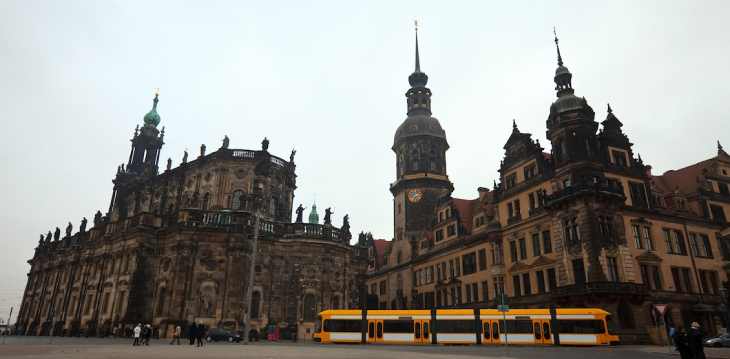
Germany is one of the most popular and affordable study destinations in Europe, known for its world-class education, engineering excellence, innovation, and strong economy. It offers tuition-free or low-cost education at public universities, practical learning with industry links, and excellent research opportunities. For Indian students, Germany provides over 2,000 English-taught programs (especially in Master’s), a large and growing Indian student community, and one of the best post-study work pathways in Europe. Degrees are highly valued globally, with strong employability in STEM, business, and other fields. The country is safe, efficient, and centrally located in Europe.
| Capital: | Berlin |
| Language: | German |
| Currency: | Euro (€) |
| Popular Cities: | Berlin, Munich, Hamburg, Frankfurt |
| Population: | Approximately 84 million |
| Indian Population: | Around 250,000–300,000 people of indian origin |
Student Visa
Tourist Visa
Business Visa
Dependent Visa
Germany is highly attractive for Indian students due to virtually tuition-free public universities, high academic standards, strong focus on research and practical skills, and direct industry connections (especially in automotive, engineering, IT, and renewables). Key advantages include:
Public universities in Germany charge no tuition fees for most Bachelor’s and consecutive Master’s programs (for all students, including Indians). You only pay a semester contribution of €150–€400 per semester (covers admin fees, student services, and often a public transport ticket).
International students can apply for scholarships at numerous institutions. The extensive DAAD scholarship database for foreign students, graduates and academics offers a wide range of scholarships and additional Information to help them with their application. DAAD has a diverse range of funding opportunities, which include scholarships for post-graduates,doctoral scholars, and academics, as well as funding for cooperation and project based programmes. German universities also offer their own scholarships. When applying for a PhD position or a research grant in Germany one is usually asked to submit a research proposal. International students are permitted to work for 120 full days or 240 half days in a year. After completing the degree in Germany, they can stay on in the country for up to 1.5 years to look for a job that is in keeping with their education. Once they find a job, the residence permit issued to them for the purpose of studying, can be converted into a residence permit for taking gainful employment. During their studies students can get the opportunity to do internships with German companies, which can open new vistas for their professional career. Details on the programmes offered by DAAD as well as by other scholarshipawarding organisations can be found below.
Breakdown (approximate):
For the German student visa/residence permit, you must prove sufficient financial resources via a blocked account or equivalent.
As of 2026: €11,904 for one year (€992 per month).
Monthly earning:
After successful graduation, you can apply for an 18-month residence permit to search for a job or start a business. During this period, you can work full-time in any job while looking for qualified employment related to your studies. Once you find a suitable job, you can switch to a work residence permit or EU Blue Card.
Permanent residency for graduates is accessible after gaining work experience:
Standard route is around 5 years of legal residence, but the graduate path is faster. Processing time varies (several weeks to months) at the local foreigners’ authority. Language skills and integration speed up the process.
Where do you want to study?